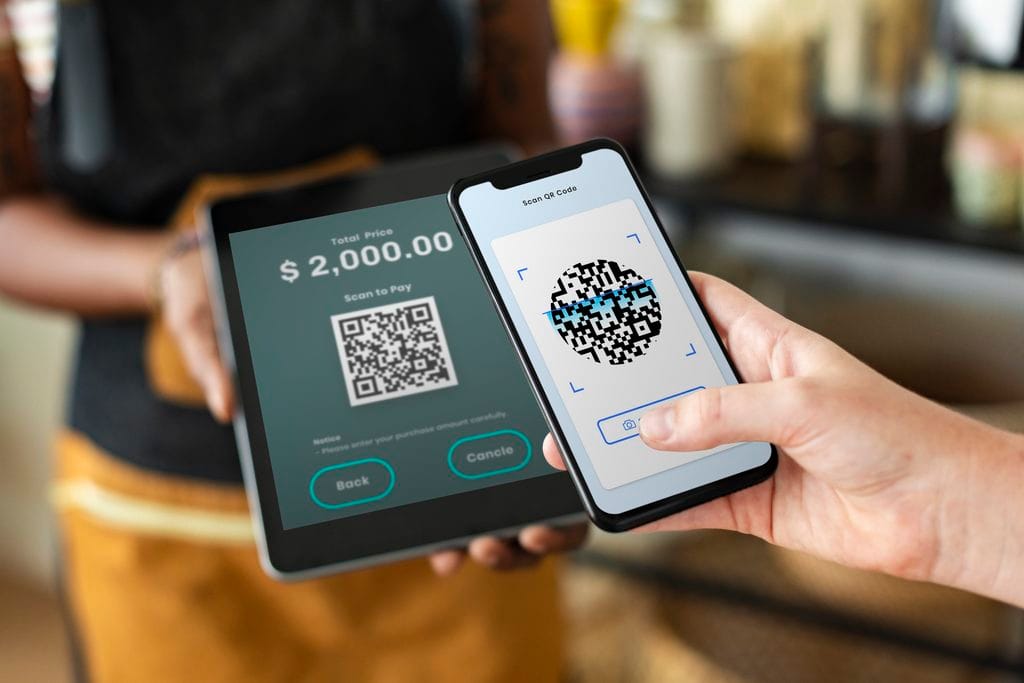
You may have seen headlines saying UPI payments above ₹2,000 will now have a charge. That can easily make you wonder whether you will have to pay extra the next time you use UPI.
But that is not what the new rule means.
From October 15, 2026, a new Merchant Discount Rate (MDR) will apply to certain merchant UPI payments above ₹2,000. This does not mean customers will have to pay a UPI fee every time they make a payment above ₹2,000.
Sending money to another person through UPI will remain free. Eligible payments to merchants up to ₹2,000 will also remain free.
So who pays the new MDR? Here is what you need to know.
What is the new UPI charge above ₹2,000?
The new rule introduces an MDR of 0.4% on specified merchant UPI transactions above ₹2,000.
MDR stands for Merchant Discount Rate. It is a fee linked to processing a merchant payment and is shared among different parts of the payment system.
It is not a tax. The government has clarified that the MDR is not government revenue and should not be charged to customers.
Who pays the UPI MDR?
The MDR applies to certain merchant payments. It does not apply simply because you are sending a large amount through UPI.
For example, if you send ₹5,000 to a friend, you will not suddenly pay 0.4% just because the amount is above ₹2,000.
If you pay an eligible merchant ₹5,000, the transaction can attract an MDR of 0.4%. The merchant should not simply add that amount to your bill as a UPI fee.
Here are some examples:
| UPI payment | What happens from October 15, 2026? |
|---|---|
| ₹500 to a friend | No UPI charge |
| ₹5,000 to a friend | No UPI charge |
| ₹1,500 to a merchant | No MDR |
| ₹2,000 to a merchant | No MDR |
| ₹5,000 to an eligible merchant | 0.4% MDR applies within the payment system; customer should not be charged |
| ₹75,000 to an eligible merchant | MDR is capped at ₹300 |
Will customers have to pay more for UPI?
No, not because of this MDR.
The new rule concerns eligible merchant payments. The government has said customers cannot be charged the MDR.
Person-to-person UPI payments will also remain free, even when the amount is above ₹2,000.
So if you send ₹10,000 to a family member or friend, the new ₹2,000 threshold does not make that transfer chargeable.
What happens to UPI payments up to ₹2,000?
Eligible merchant payments up to ₹2,000 will remain under the zero-MDR framework.
So a ₹500 or ₹2,000 payment at an eligible shop will not suddenly have a UPI charge because of this new rule.
Small merchants also have an additional exemption. Merchants receiving up to ₹1 lakh a month through eligible QR-code UPI payments remain under the zero-MDR framework.
Is the new UPI MDR a tax?
No.
This is one of the main points people are getting confused about.
MDR is a payment-processing fee. It is not a tax collected by the government.
So calling it a “UPI tax” is misleading.
A simple way to look at it is:
Person-to-person UPI payment = free.
Eligible merchant payment up to ₹2,000 = no MDR.
Certain merchant payments above ₹2,000 = MDR applies within the payment system.
Customer = should not be charged the MDR.
Are all payments above ₹2,000 charged at 0.4%?
No. The rate depends on the type of payment.
Eligible payments above ₹2,000 in areas such as railways, telecom, insurance, fuel and agricultural inputs have a flat MDR of ₹5.
Certain capital-market payments have an MDR of 0.02%, capped at ₹300.
For standard eligible merchant payments, the 0.4% MDR is capped at ₹300 for transactions of ₹75,000 or more.
What should UPI users do?
For most people, nothing changes.
You can continue using UPI for everyday purchases and for sending money to other people.
If a merchant says you have to pay an extra UPI fee because your payment is above ₹2,000, ask what the charge is for. The new MDR itself is not supposed to be added to your bill.
Be careful with messages claiming that UPI has become a paid service. The new rule does not mean every UPI payment above ₹2,000 will cost the person making the payment.
The bottom line
The ₹2,000 figure does not mean UPI users will start paying a fee whenever they make a larger payment.
From October 15, 2026, the new MDR applies to specified merchant transactions. Person-to-person UPI payments remain free, eligible merchant payments up to ₹2,000 remain free, and the MDR should not be passed on to customers.
The important difference is between an MDR that applies within the payment system and a fee charged to you as a customer. They are not the same thing.