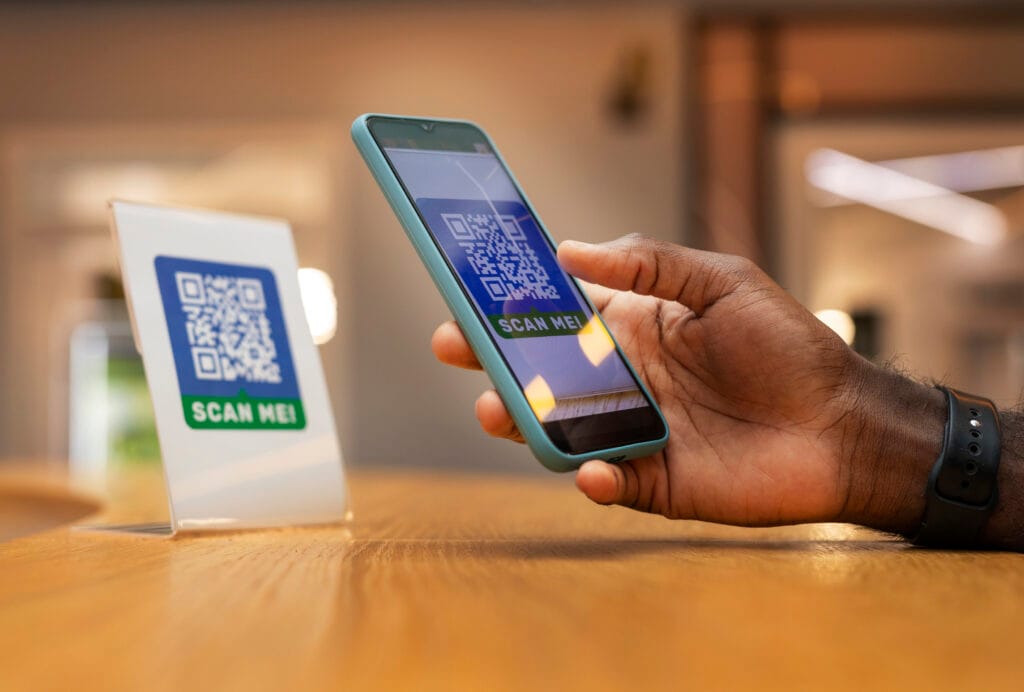
Quick answer: UPI (Unified Payments Interface) has become India’s dominant payment method because it’s free, instant, and works across every bank without needing separate apps for each one. Monthly UPI transaction volume in India now runs into the tens of lakhs of crores, making it one of the most widely adopted digital payment systems in the world.
A decade ago, most everyday payments in India were cash. Today, from roadside tea stalls to large retail chains, a simple QR code scan has become the default. Here’s why this shift happened, and what it actually means for how people manage money.
What Makes UPI Different
Unlike older digital payment methods, UPI doesn’t require entering card details, remembering multiple app logins, or paying transaction fees for most everyday transfers. It links directly to your bank account, works instantly, and functions the same way regardless of which bank you use or which UPI app you prefer.
Why Adoption Grew So Fast
No transaction fees for individuals made it an easy switch from cash, without any added cost.
Universal acceptance meant a single app could pay literally anyone — a friend, a shop, a utility bill — without needing separate apps or wallets for each.
Smartphone penetration across India, even in smaller towns and rural areas, meant the infrastructure to use UPI was already in most people’s pockets.
Trust built over time — as more people used it daily without issues, hesitation around digital payments dropped sharply, especially among older users who initially preferred cash.
What This Means for Everyday Money Habits
One underrated effect of UPI’s rise is visibility. When most spending happened in cash, it was easy to lose track of where money actually went. With UPI, every transaction leaves a digital trail, making it far easier to look back and see actual spending patterns — a small but meaningful shift toward better financial awareness for many first-time users.
What to Watch Out For
Convenience has a downside: because UPI payments are so frictionless, it’s easier to spend without registering it the way handing over physical cash does. A few practical habits help:
- Check your UPI transaction history weekly, not just when something feels off
- Set a mental (or app-based) limit for small, frequent purchases that can add up unnoticed
- Never share your UPI PIN or approve a payment request you didn’t initiate — a common scam involves fake “collect requests” disguised as refunds
Where This Is Heading
UPI’s growth shows no signs of slowing, with increasing integration into everything from public transport to international payments for Indian travelers. What started as a simple bank-to-bank transfer tool has effectively become India’s core financial infrastructure.
Bottom line: UPI didn’t just make payments faster — it fundamentally changed how most Indians interact with money day to day. Understanding both its convenience and its risks is worth a few minutes, given how central it’s become to daily life.