PCOS and PCOD are two terms many women hear when they start having problems with their periods, hormones or fertility. They are often treated as if they mean exactly the same thing, which can make things confusing.
The two can have similar symptoms, including irregular periods, acne, changes in body hair, weight changes and difficulty getting pregnant.
But there is an important difference in how the terms are used.
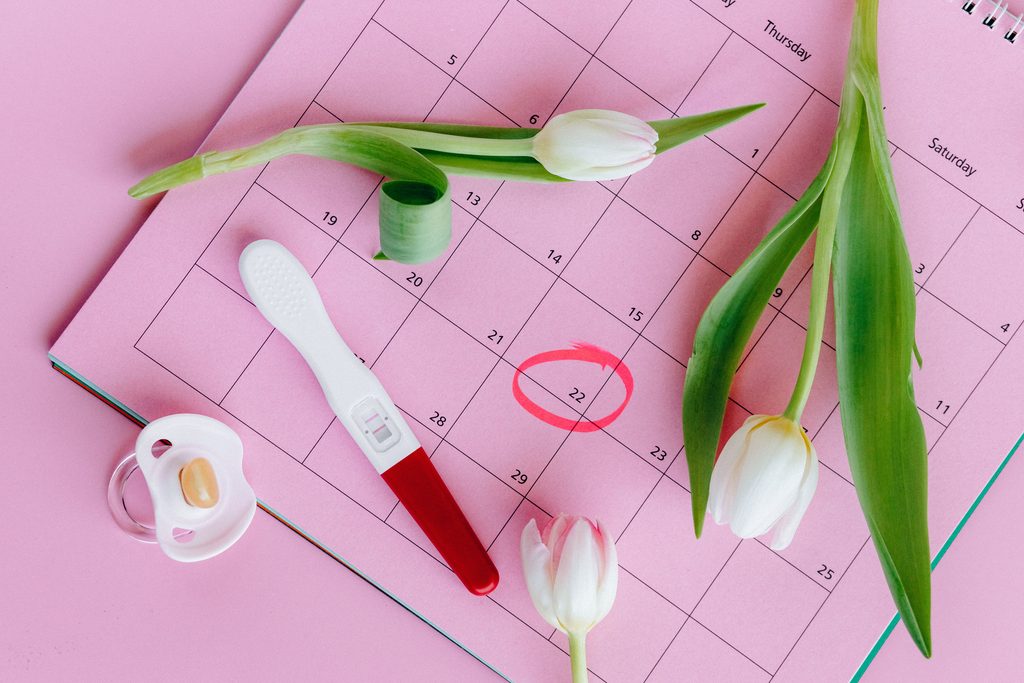
PCOS and PCOD are not exactly the same
PCOS stands for polycystic ovary syndrome. It is a recognised hormone-related condition that can also involve metabolic changes, including insulin resistance.
PCOD stands for polycystic ovary disease. The term is commonly used in India, but its meaning can vary. Doctors may use different terms depending on what is causing a woman’s ovulation or hormonal problems.
So, it is not quite accurate to think of PCOS and PCOD as two completely separate diseases.
PCOS vs PCOD at a glance
| PCOS | PCOD | |
|---|---|---|
| Full name | Polycystic Ovary Syndrome | Polycystic Ovary Disease |
| What the term refers to | A recognised hormonal condition that can also involve metabolic changes | A term commonly used for ovarian or ovulation-related problems |
| Periods | May become irregular | May become irregular |
| Ovulation | Can happen less often | Can be affected |
| Fertility | Can make pregnancy harder for some women | Can affect fertility when ovulation is affected |
| Long-term concerns | Can include insulin resistance and other health risks | Depend on the underlying problem |
What is PCOS?
PCOS can affect how often you ovulate and how your body handles certain hormones.
Some women have higher androgen levels, while others also have insulin resistance. Periods may become irregular because ovulation is not happening regularly.
PCOS does not look the same in every woman. One person may mainly struggle with her periods, while another may notice changes in her skin, hair or weight.
What does PCOD mean?
PCOD is a term commonly used in India for ovarian and ovulation-related problems.
You may see explanations saying that women with PCOD have ovaries that release immature eggs. That is a common way of describing it, but it does not explain every situation where the term is used.
If you have been told you have PCOD, ask your doctor what the diagnosis means in your case and what is causing the changes in your periods or ovulation.
Why do people confuse PCOS and PCOD?
The names are similar, and the symptoms can overlap.
Both terms are also frequently used loosely online. This can make it difficult to know whether two articles are actually talking about the same condition.
Another source of confusion is the word “polycystic.” It can make people think ovarian cysts are always involved.
They are not.
Does PCOS mean you have ovarian cysts?
No.
Despite the name, having ovarian cysts is not required for a PCOS diagnosis.
An ultrasound may show many small follicles in some women with PCOS, but an ultrasound by itself does not diagnose the condition.
Your periods, symptoms, hormone levels and other possible causes all matter.
Can you get pregnant with PCOS or PCOD?
Yes.
Neither term automatically means that pregnancy is impossible.
For some women, the main issue is that they do not ovulate regularly. That can make it harder to predict fertile days or become pregnant.
Treatment can help when irregular ovulation is affecting fertility.
If you have been trying to get pregnant and your periods are consistently irregular, it is worth speaking with a gynecologist rather than waiting it out.
How is PCOS diagnosed?
There is no single test that confirms PCOS in every woman.
A doctor may ask about your menstrual cycle, examine your symptoms and order blood tests. An ultrasound may also be used.
Other conditions that can cause similar hormone or period changes may need to be ruled out first.
That is why an online symptom checklist cannot tell you whether you have PCOS.
When should you get checked?
A change in your periods that keeps happening is worth discussing with a doctor.
You should also get checked if you notice sudden changes in your facial or body hair, persistent acne, unusual hair loss or difficulty becoming pregnant.
The aim is not just to put a name on the problem. Finding out why your cycle or hormones have changed helps your doctor decide what needs attention.
The bottom line
PCOS and PCOD are often described as two separate conditions, but the difference is not as simple as many websites make it sound.
PCOS is a recognised hormonal condition that can also affect metabolic health. PCOD is a term commonly used in India, but it can be used differently depending on the doctor and the situation.
If you have been given either label, ask what it means for you specifically. Your symptoms, periods, ovulation and test results matter more than the label alone.