You can have a good skincare routine and still wonder why your skin looks dull, dry or tired. What you eat can play a part too.
Your skin needs protein, healthy fats, vitamins, minerals and enough fluids to stay healthy. You do not need special powders or expensive “beauty foods” to get these.
A few foods that are already easy to find can give your body the nutrients your skin needs.
Start with vitamin C-rich foods
Vitamin C helps your body make collagen and also acts as an antioxidant.
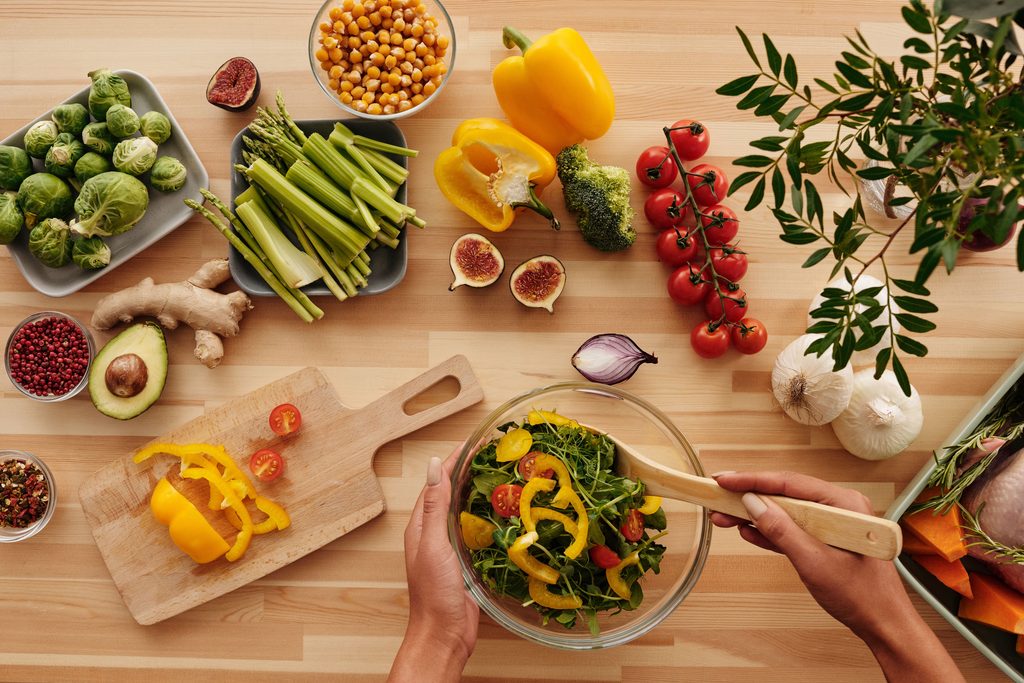
Guava, oranges, amla, kiwi, strawberries, tomatoes and bell peppers are good sources.
A guava or orange with breakfast is an easy way to add more vitamin C to your day. You can also add tomatoes and bell peppers to your lunch or dinner.
Add healthy fats to your meals
Not all fats are bad for your skin. Healthy fats help support the skin barrier and can be useful if your skin tends to feel dry.
Walnuts, chia seeds, flaxseeds, avocado, olive oil and fatty fish such as salmon are good choices.
If you eat fish, salmon and other oily fish can give you omega-3 fats. If you do not eat fish, walnuts, chia seeds and flaxseeds are simple options.
Make protein part of your meals
Your skin needs protein to build and repair tissue.
Eggs, fish, chicken, paneer, tofu, Greek yogurt, milk, beans, chickpeas and lentils can all help you get more protein.
You do not need to start taking protein powder just because you want healthier skin. Start by looking at whether your regular meals contain enough protein.
Eat more colourful fruits and vegetables
Your plate does not need to look perfect. Just try to include different fruits and vegetables throughout the week.
Carrots, spinach, sweet potatoes, tomatoes, broccoli, berries and bell peppers provide different vitamins and plant compounds.
You can add vegetables to dal, rice, roti meals, sandwiches, eggs or salads instead of making a completely separate meal around them.
Do not skip zinc-rich foods
Zinc is involved in normal skin function and wound healing.
Pumpkin seeds, chickpeas, lentils, eggs, dairy products and meat can provide zinc.
Pumpkin seeds are easy to add to yogurt, oats or salads. Chickpeas and lentils can simply be part of your usual meals.
Get vitamin A from food
Vitamin A is important for normal skin health.
Carrots, sweet potatoes, spinach, eggs and dairy products are some foods that provide vitamin A or carotenoids that your body can use to make vitamin A. You do not need to take vitamin A supplements for better skin. High amounts from supplements can be harmful.
Drink enough water
There is no magic amount of water that will suddenly give you glowing skin.
But if you regularly do not drink enough, your body can become dehydrated and your skin may feel dry.
Keep water nearby and drink throughout the day. Fruits, vegetables, soups and other drinks also add to your fluid intake.
Easy foods to add to your diet
You do not need to completely change what you eat. These are simple options you can fit into regular meals.
| Food | Main nutrients | Easy way to add it |
|---|---|---|
| Guava | Vitamin C | Breakfast or snack |
| Amla | Vitamin C | With breakfast or as part of a meal |
| Eggs | Protein + vitamin A | Breakfast or lunch |
| Walnuts | Healthy fats | Snack or with oats |
| Pumpkin seeds | Zinc + healthy fats | Add to yogurt or salads |
| Lentils | Protein + minerals | Dal or lentil salad |
| Spinach | Carotenoids + folate | Dal, curry or omelette |
| Tomatoes | Vitamin C + carotenoids | Salad, curry or sandwich |
| Carrots | Carotenoids | Salad or cooked meal |
| Salmon | Protein + omega-3 fats | Lunch or dinner |
Do you need to stop eating sugar?
You do not need to remove every sweet thing from your diet.
What matters more is how often sugary foods and highly processed snacks replace more nutritious foods.
Having dessert sometimes is very different from relying on sugary drinks, sweets and packaged snacks for a large part of your daily food.
Focus on what you eat most of the time rather than worrying about one occasional treat.
Do skin supplements actually help?
They are not automatically better than food.
If you have a nutrient deficiency, a doctor may recommend a supplement. But taking large amounts of vitamins or minerals without knowing whether you need them can cause problems.
Food is a good place to start.
A simple day of eating for healthy skin
You can keep it very simple.
Breakfast: Eggs with whole-grain toast and fruit
Lunch: Dal, vegetables, roti or rice and curd
Snack: Fruit with walnuts or pumpkin seeds
Dinner: Fish, tofu or paneer with vegetables and rice or roti
Throughout the day: Water
You can change this based on what you eat at home. The point is to include a mix of protein, vegetables, fruit and healthy fats rather than following a strict “skin diet.”
Eat for your skin
There is no single food that will transform your skin. What you eat regularly matters more. Add more fruits and vegetables, get enough protein, include healthy fats and drink enough fluids. You do not need an expensive diet to support your skin. Start with the foods you already eat and make a few better choices more often.